Teleportation! Gliding suitcases! Magic wishes! Big Medium’s Josh Clark and Veronika Kindred chatted with Lou Rosenfeld about how Sentient Design applies “productive magic” to imagine new kinds of intelligent interfaces.
The conversation happened just a few days before the release of Sentient Design: Crafting Intelligent Interfaces with AI, the new book by Josh and Veronika.
Listen in on YouTube, Apple Podcasts, Spotify, or wherever you listen to podcasts.
Productive magic ≠ magical thinking
Look, magic is tricky business when it comes to new technology. There’s already too much magical thinking and toxic optimism about what tech and AI can accomplish. Adding sparkles and purple gradients won’t make it magic, and neither will wishful thinking.
But! AI enables experiences that weren’t possible before, so traditional assumptions and best practices often limit more than inform. The Sentient Design sprint embraces magic as a deliberate, generative stance to explore essential desires and shake free of old ways of doing things. Productive magic helps designers get in touch with essential outcomes before getting to solutions.
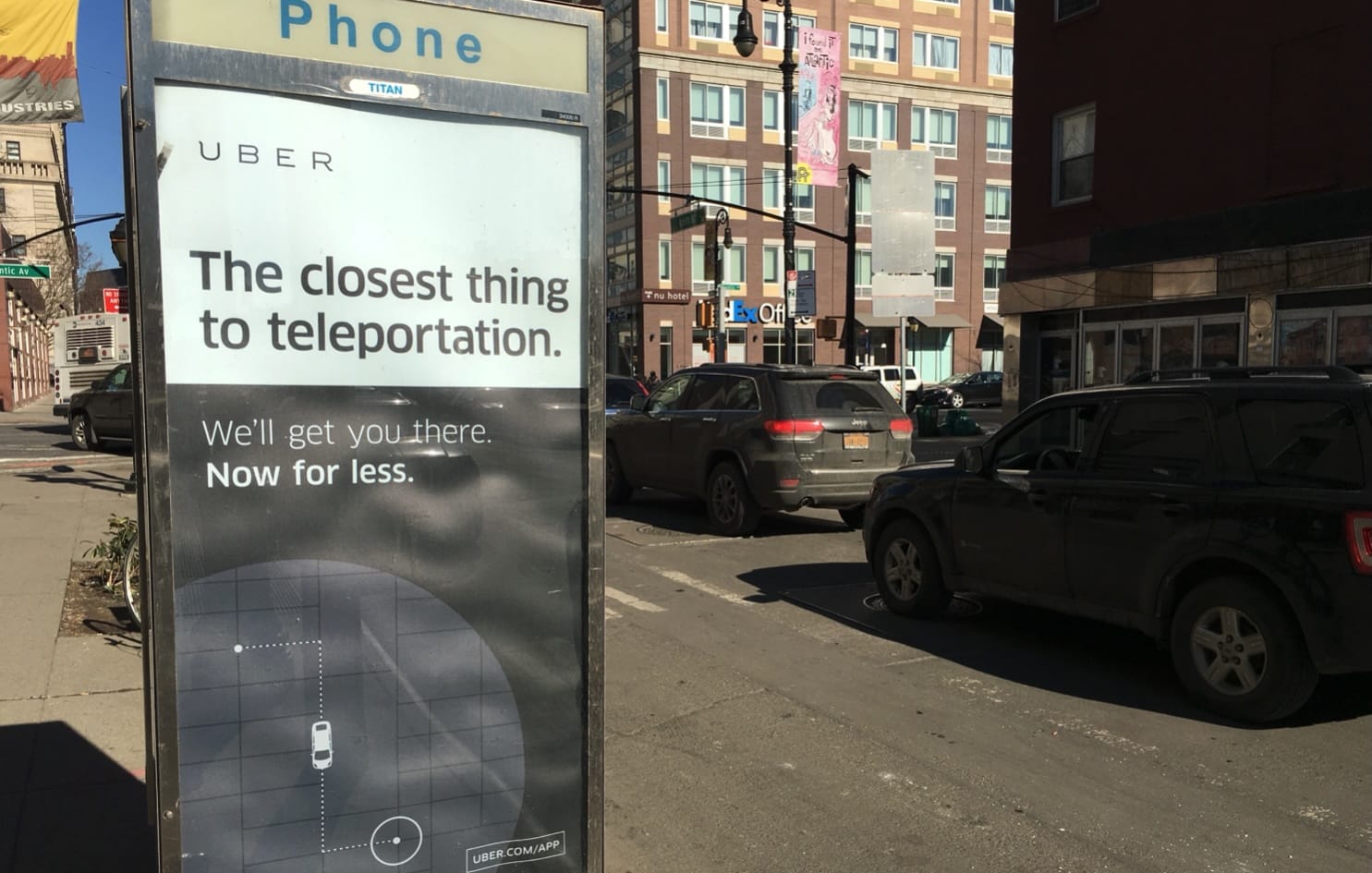
It starts with a magic “what if?” What if I could teleport? Last time we checked, teleportation tech wasn’t quite ready for prime time. That didn’t stop the Uber team from tapping the essential desire for getting there instantly; early ad campaigns touted Uber as “the closest thing to teleportation.” It’s not a bad approximation: tap a button to summon a car whose driver knows the best route to get exactly where you’re going.
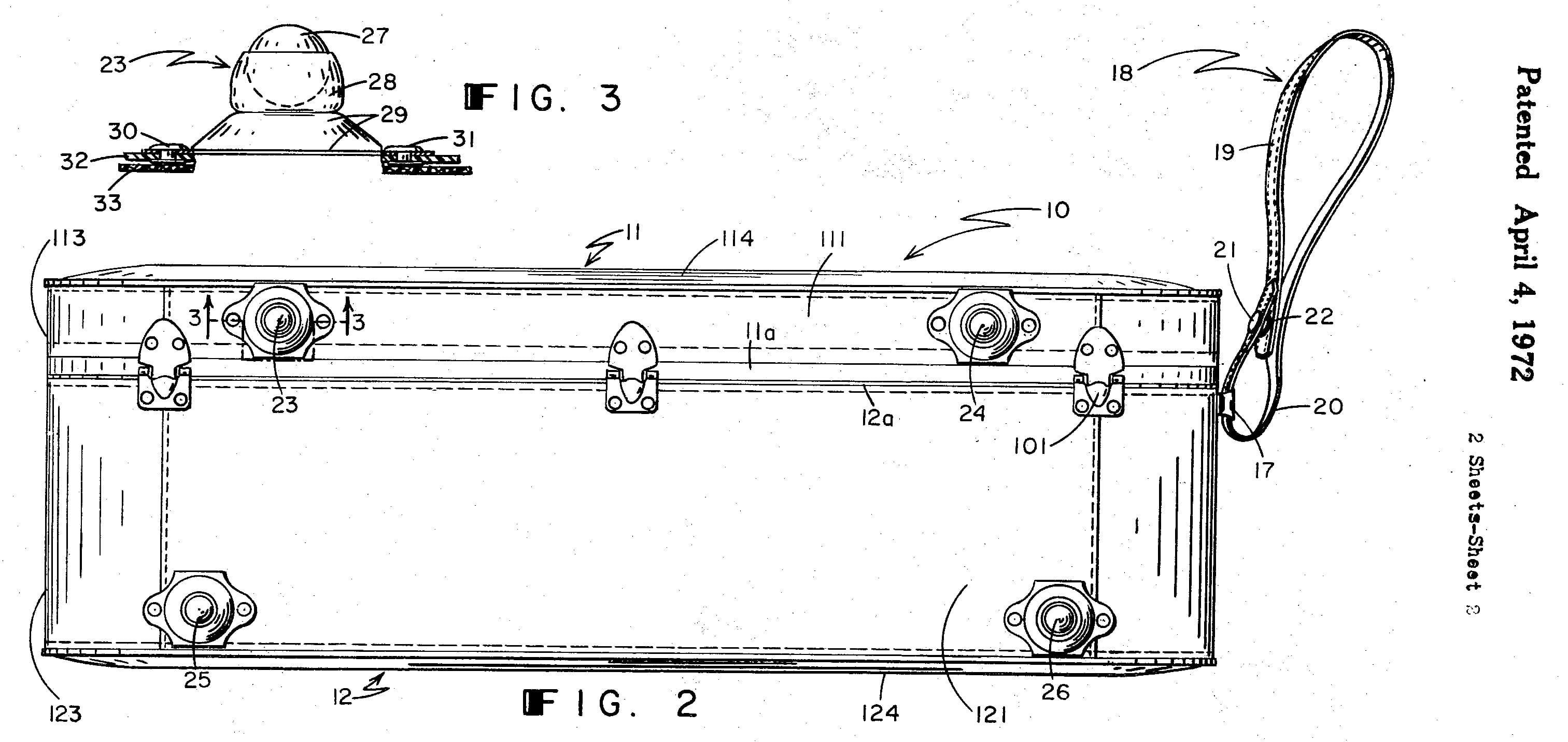
Or consider that nobody thought to put wheels on luggage until 1972. (We landed on the moon before wheels landed on a suitcase!) “The luggage actually glides,” reads the patent for the original rolling suitcase. It didn’t actually glide of course, but that magic wish—a floating suitcase—unlocked an analog solution that had somehow evaded us for centuries: just put wheels on it.
Science fiction has often informed science fact: computers that fit in your pocket, or a global network of all human knowledge. Over time, capabilities catch up with the dream, and fairy tale becomes feature. More immediately, though, you can work backward from the magic wish to find a pragmatic real-world solution that still fulfills the essential desire.
“Teleportation” yields ride-sharing apps. “Telekinesis” leads to a wheeled suitcase that follows you. Magic rings turn into the Oura smart ring to track biometric data for health insights. The list goes on: we’ve already got magic mirrors, invisible assistants, and books that write themselves.
All of these “magical” services are intelligent interfaces, rendered in today’s technology. Turns out the magic was never in the end product but in spotting new possibilities.
Imaginative perspective is needed more than ever right now. In the podcast, Josh and Veronika talked about how the past decade of design innovations has focused narrowly on tools and process and design systems, on consolidating design practices instead of expanding them. That all happened for good reasons. But now we have the chance to think bigger.
We can make things that weren’t possible before. “We’ve been talking about adaptive interfaces and personalization for decades. Now we’ve got the technology to actually do it in valuable, meaningful ways,” Josh said. “Let’s go! Let’s look up from our tools, and let’s go!"
The conversation
The podcast started with magic and from there kicked into what it all means in practice:
- Why the last decade of design innovation was limited to design ops, and why the next decade will finally turn back to product and experience.
- The Sentient Design triangle: a framework of 14 AI-powered experience archetypes that go way beyond “slap chat on it.”
- What the “sentient” in Sentient Design means: awareness and agency to respond in the moment (“consciousness is above our pay grade”).
- How AI flattens the roles of design, product, and development—and why Sentient Design sprints work best with all three in the room.
- Why thirty years of best practices need refreshing, and why the beginner’s mind matters more than ever.
Quotable
Veronika: “There’s a fear that AI will push designers out or take over the job. I think it has the opportunity to elevate the role of designer — to make them into creative directors [of these intelligent interfaces], more than somebody responsible for making frames in Figma.”
Josh on Uber as the next best thing to teleportation: “We can’t teleport, but we can have a car instantly show up and know the fastest route to exactly where you’re going. That’s the move: Get in touch with the fundamental desire, then ask what this new technology can actually do.”
Veronika: “It’s really hard to let go of the technology. It’s really hard to let yourself get out of your practical mind and just be wishful. That’s a very hard thing to ask professional and smart people to do.”
Josh: “What if a website or dashboard could design itself? What if an agent isn’t just in some text chat off to the side, but participates as a user, driving its own cursor?”
Josh: “Production is a means to product. How we make things is important, but what we make is frankly the thing that matters most.”
Veronika: “No one really got into design work in order to make things faster.”
Veronika: “Enterprises with really well-established design systems are in a great situation to create intelligent interfaces and radically adaptive surfaces. They already have a set of constrained components to work with.”